There is no universal answer, but there is a reliable way to decide - and it starts with separating two very different kinds of project.
Two categories, two logics
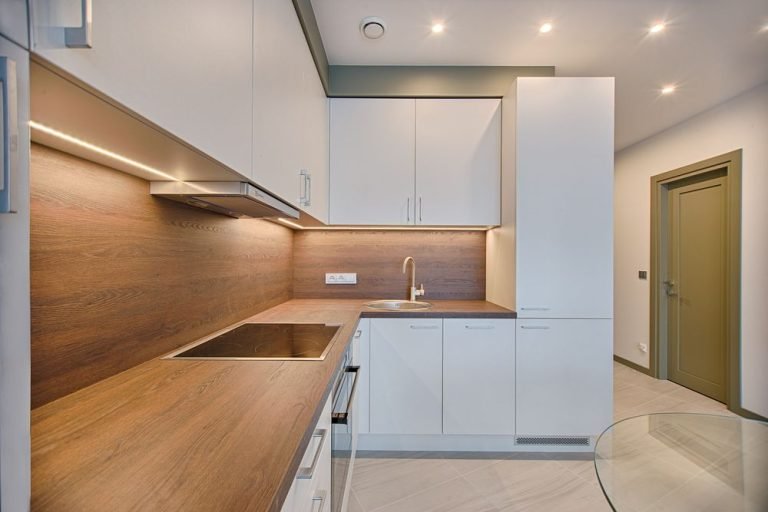
Some work removes objections: a failing roof, dated systems, worn carpet, a tired kitchen in an otherwise updated home. Some work adds aspiration: a wine room, a spa bathroom, a resurfaced pool.
Objection-removal reliably pays back. Aspiration rarely does at resale, because you are paying full price for a feature the next owner values at a discount - or not at all.
Ask what the buyer for this house expects
A home in a neighbourhood of updated kitchens is competing against updated kitchens. The same untouched kitchen in a neighbourhood of original homes is simply normal, and spending on it buys nothing.
The right standard is your actual competition, not an ideal.
- What have comparable homes nearby actually done?
- Which items will show up in every inspection report?
- What can be finished before listing without delaying the launch?
- What would you be doing purely for your own taste?
The honest arithmetic
Get real quotes, not estimates, and add a contingency. Then ask what the work realistically adds to your sale price - not what it cost. If those two numbers are close, selling as-is and pricing accordingly is usually the better trade, because renovation also costs you time and carrying expense.
We have advised sellers to skip $60,000 of work and price for it instead - and advised others to spend $8,000 on paint, carpet and light fixtures because it was worth several times that at the closing table.
The middle path most sellers should take
Cosmetic refresh plus disclosed defects. Paint, flooring, lighting and landscaping change how a home photographs and shows for comparatively little. Anything structural you choose not to fix should be disclosed and priced in openly - surprises cost far more than discounts.